
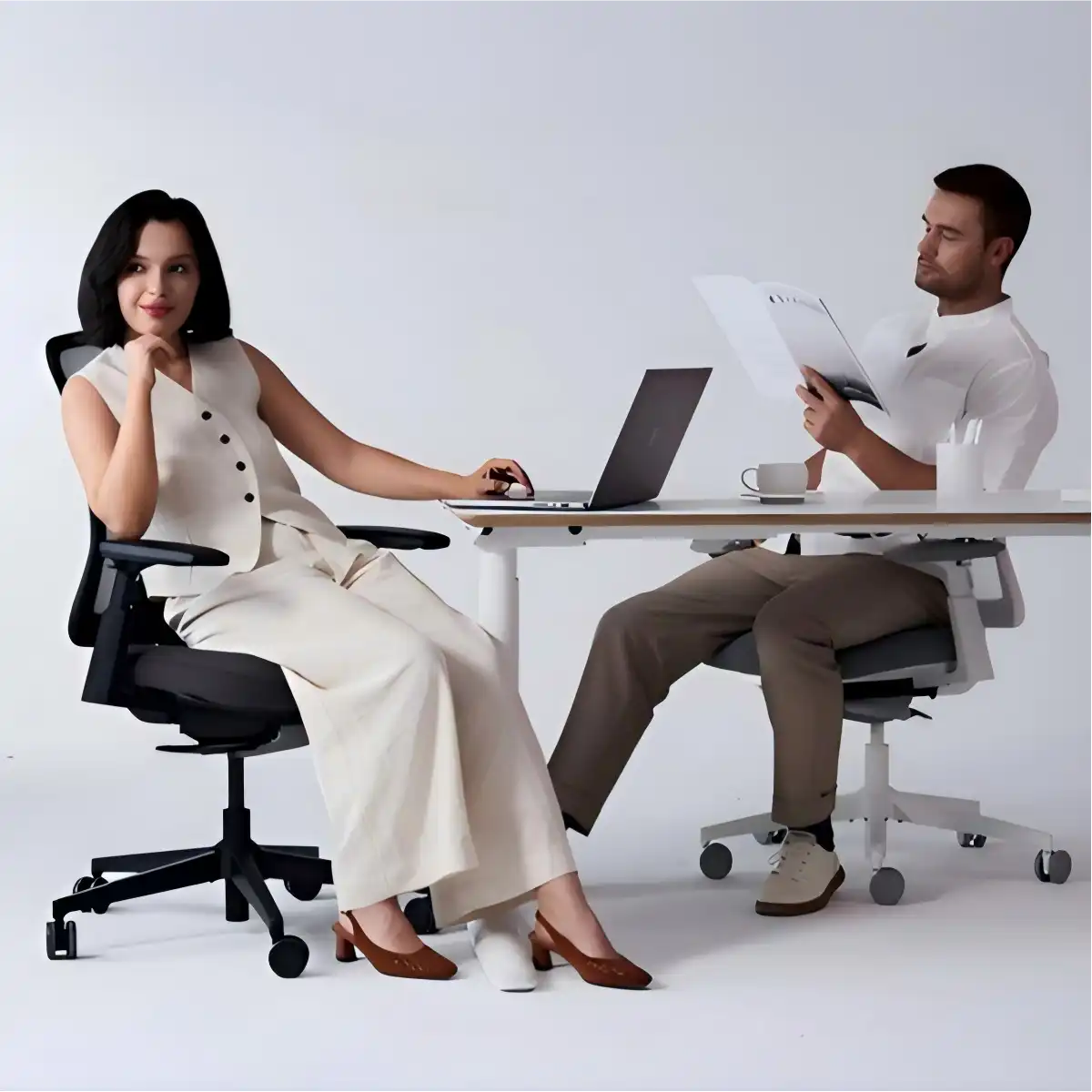





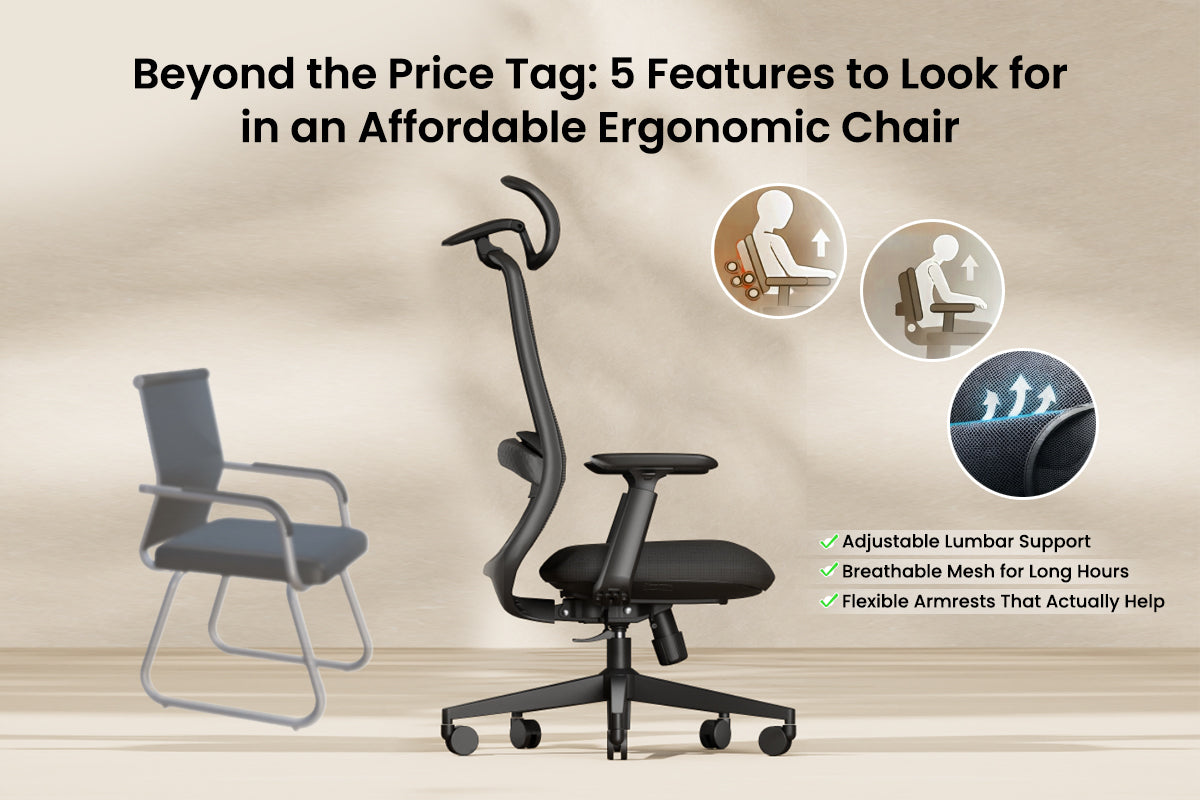
Einen ergonomischen Stuhl zu kaufen, fühlt sich oft an, als müsste man sich zwischen dem Portemonnaie und der Wirbelsäule entscheiden. Der beste ergonomische Stuhl für Ihr Home-Office ist nicht immer der teuerste. Es ist der Stuhl, der die Kernfunktionen bietet, die Ihr Körper tatsächlich benötigt, ohne unnötige Luxus-Extras. Wenn Sie wissen, welche Funktionen am wichtigsten sind, können Sie echten Wert auch bei preisgünstigen Optionen erkennen. Fünf wesentliche Merkmale unterscheiden wirklich unterstützende Stühle von clever vermarkteten.
Merkmal 1: Verstellbare Lordosenstütze zur Reduzierung von Nackenverspannungen und Rückenschmerzen
Wenn Sie stundenlang sitzen, krümmt sich Ihr unterer Rücken natürlich nach innen. Dies wird als Lordosenkrümmung bezeichnet und benötigt eine konstante Unterstützung, sonst bricht Ihre gesamte Körperhaltung zusammen. Ohne sie würden Sie nach vorne zusammensacken, was Ihren Nacken und Ihre Schultern aus der Ausrichtung bringt.
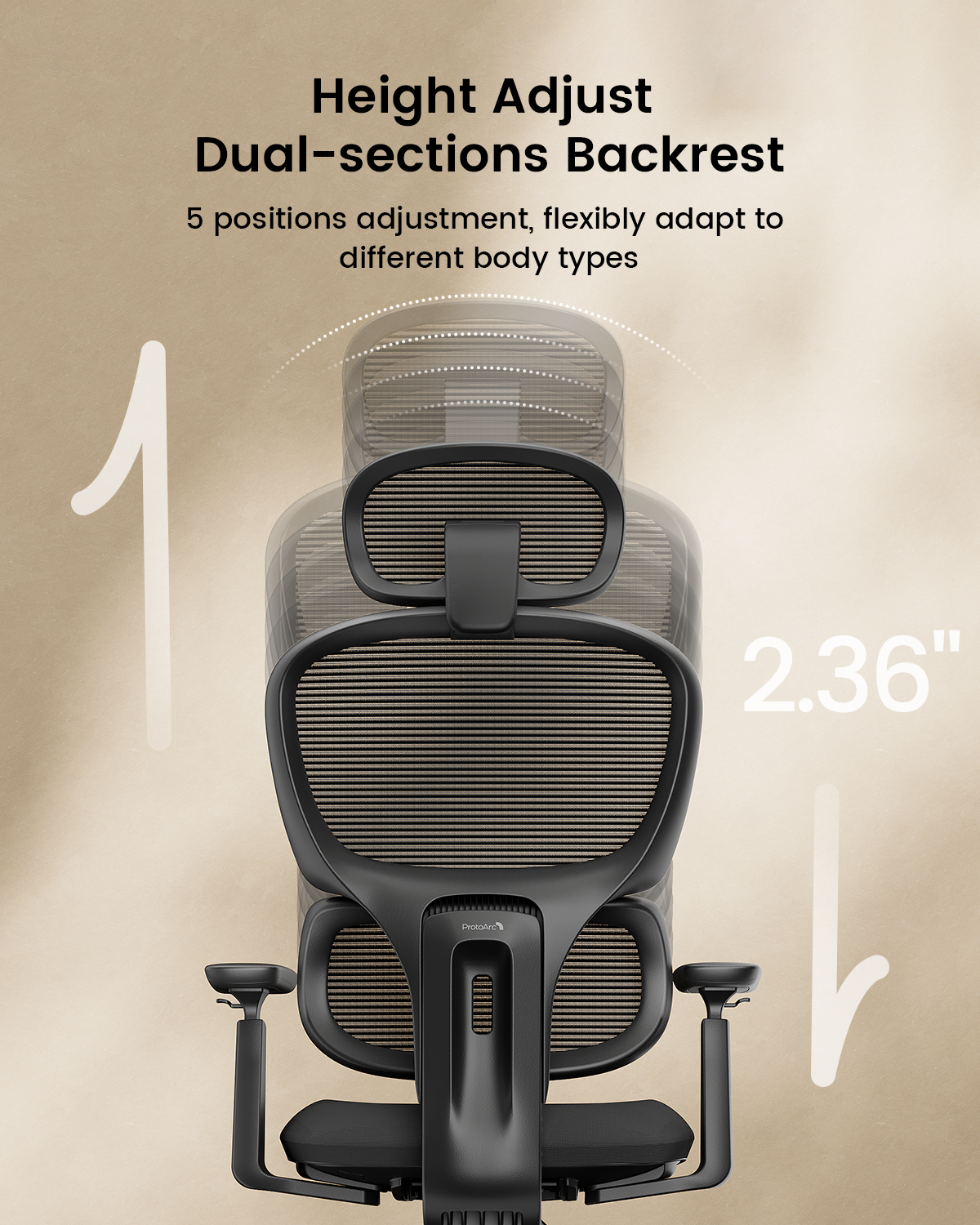
Eine hochwertige Lordosenstütze erhält aktiv die natürliche S-Form Ihrer Wirbelsäule den ganzen Tag über. Eine verstellbare Lordosenstütze ist entscheidend, da die Wirbelsäule jedes Menschen unterschiedlich gekrümmt ist. Eine feste Stützpolsterung mag für manche Menschen funktionieren, drängt andere jedoch in eine schlechtere Haltung.
Achten Sie auf diese wichtigen Verstellfunktionen:
- Höhenverstellung zur Anpassung an Ihre spezifische Lordosenkrümmung
- Tiefenkontrolle, mit der Sie die Unterstützung näher oder weiter von Ihrem Rücken wegbewegen können
- Härteeinstellungen für individuelle Druckniveaus
Hier ist der Zusammenhang, den viele Menschen übersehen: Wenn Ihr unterer Rücken in den Stuhl sinkt, kompensiert Ihr Oberkörper dies. Ihre Schultern runden sich nach vorne, und Ihr Nacken ragt heraus, um die Augen auf dem Bildschirm zu halten. Diese vorgebeugte Kopfposition ist die Hauptursache für Nackenverspannungen bei Büroangestellten.
Ein ergonomischer Stuhl für das Home-Office sollte es Ihnen ermöglichen, die Lordosenstütze im Sitzen zu verstellen. Wenn Sie aufstehen oder Werkzeuge verwenden müssen, um sie zu ändern, werden Sie sie wahrscheinlich nicht an die sich ändernden Bedürfnisse Ihres Körpers im Laufe des Tages anpassen.

Merkmal 2: Atmungsaktives Netzmaterial für ganztägigen Komfort
Netzmaterial, das aus gewebten Fasern mit winzigen Lücken besteht, ermöglicht eine freie Luftzirkulation. Dies verhindert den Aufbau von Hitze und Feuchtigkeit, der Sie bei langen Arbeitssitzungen klebrig und unbehaglich fühlen lässt.
Wenn Sie von zu Hause aus arbeiten, sitzen Sie möglicherweise acht Stunden oder länger auf demselben Stuhl. Traditionelle gepolsterte Stühle speichern Körperwärme an Rücken und Gesäß. Dies führt zu einem schwitzigen Erlebnis, das Sie ständig zappeln lässt, was den Zweck der ergonomischen Unterstützung zunichtemacht.
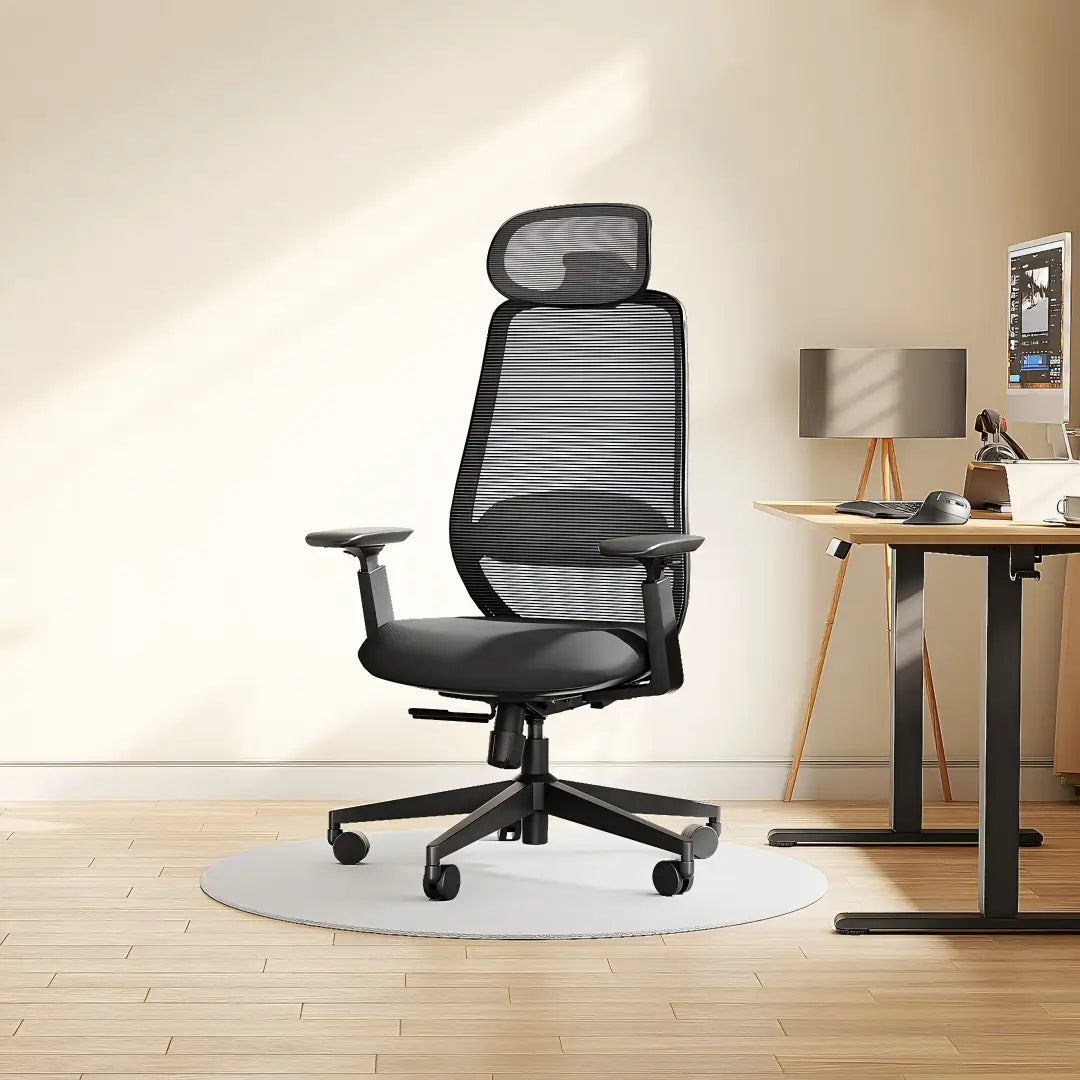
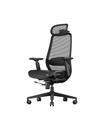
Netzrücken passen sich Ihrer Körperform an und bleiben dabei kühl. Das Material passt sich Ihren Bewegungen auf natürliche Weise an und bietet dynamische Unterstützung statt starrer Widerstandsfähigkeit. Wenn Sie einen ergonomischen Lernstuhl online bewerten, prüfen Sie die Produktspezifikationen auf Netzspannung und Haltbarkeitswerte. Hochwertiges Netz sollte als hochspannend oder verstärktes Gewebe beschrieben werden, das seine Form über die Zeit behält.

Merkmal 3: Verstellbare Armlehnen, die jeder ergonomische Lernstuhl braucht
Armlehnen spielen eine große Rolle bei der Vorbeugung von Schulter- und Oberrückenschmerzen. Feste Armlehnen verursachen oft mehr Probleme, als sie lösen, da sie den Körper in unnatürliche Positionen zwingen.
Ein wirklich unterstützender ergonomischer Lernstuhl bietet mindestens drei Arten der Armlehnenverstellbarkeit:
- Die Höhenverstellung ermöglicht es Ihnen, die Armlehnen so zu positionieren, dass Ihre Ellbogen bequem im 90-Grad-Winkel aufliegen.
- Die Breitenverstellung ermöglicht es Ihnen, die Armlehnen näher zusammen oder weiter auseinander zu bewegen, um Ihrer Schulterbreite zu entsprechen.
- Die Tiefenverstellung hilft Ihnen, die Armlehnen je nach Aufgabe nach vorne oder hinten zu schieben.
Wenn Ihre Armlehnen richtig positioniert sind, können sich Ihre Schultern entspannt in ihrer natürlichen Position nach unten senken. Diese richtige Ausrichtung erstreckt sich bis in den Nacken.
Viele Menschen stellen die Armlehnen entweder zu hoch ein, was die Schultern anhebt und Spannung erzeugt, oder zu niedrig, was überhaupt keine Unterstützung bietet. Der beste ergonomische Stuhl ermöglicht es Ihnen, die Armlehnen einfach und ohne Werkzeug einzustellen. Sie sollten in der Lage sein, die Position fein abzustimmen, wenn Sie zwischen Tippen, Mausbedienung oder Lesen von Dokumenten wechseln.

Merkmal 4: Konturiertes Sitzdesign mit ergonomischer Kissenunterstützung
Die Sitzfläche verdient genauso viel Aufmerksamkeit wie die Rückenlehne. Eine schlecht gestaltete Sitzfläche verursacht Durchblutungsstörungen, Beinmüdigkeit und Schmerzen im unteren Rücken, selbst wenn alles andere am Stuhl perfekt ist.
Wasserfallkanten-Design
Hochwertige ergonomische Stühle verfügen über eine sogenannte Wasserfallkante. Das bedeutet, dass die Vorderseite des Sitzes sanft nach unten gekrümmt ist, anstatt gerade durchzulaufen. Dieses Design verhindert, dass die Sitzkante in die Rückseite Ihrer Oberschenkel drückt, was die Blutzufuhr zu Ihren Beinen einschränken kann.
Sitztiefe und Kissenqualität
Die Sitztiefe ist für die richtige Unterstützung enorm wichtig. Sie sollten in der Lage sein, mit dem Rücken an der Lordosenstütze zu sitzen und dabei immer noch etwa zwei bis drei Fingerbreit Platz zwischen der Rückseite Ihrer Knie und der Sitzkante zu haben.
Ein ergonomisches Kissen für Bürostühle sollte fest genug sein, um Sie zu stützen, ohne durchzusitzen. Wenn Sie sich hinsetzen, sollten Sie leicht in das Kissen einsinken, aber nicht die harte Sitzbasis darunter spüren. Billiger Schaumstoff komprimiert sich mit der Zeit vollständig, was bedeutet, dass Sie im Wesentlichen auf einer harten Oberfläche sitzen.
Sitzen Sie, wenn möglich, mindestens fünf Minuten auf dem Stuhl. Stehen Sie auf und betrachten Sie das Sitzkissen. Es sollte innerhalb weniger Sekunden wieder in seine ursprüngliche Form zurückfedern. Wenn Sie einen tiefen Eindruck sehen, der bestehen bleibt, ist die Schaumstoffqualität schlecht und bietet keine dauerhafte Unterstützung.
Merkmal 5: Sicherheitszertifizierungen, die Sie niemals vernachlässigen sollten
Sicherheitszertifizierungen belegen, dass ein Stuhl bestimmte Standards für Stabilität, Haltbarkeit und Materialsicherheit erfüllt. Ein unzertifizierter Stuhl mag identisch mit einem zertifizierten aussehen, könnte aber schwerwiegende versteckte Mängel aufweisen.
Achten Sie beim Kauf auf diese wichtigen Zertifizierungen:
- SGS (Société Générale de Surveillance) Zertifizierung stellt sicher, dass Gasfedern internationale Sicherheitsstandards erfüllen und nicht unerwartet versagen
- BIFMA (Business and Institutional Furniture Manufacturers Association) Zertifizierung prüft Stühle auf strukturelle Stabilität, Haltbarkeit und allgemeine Sicherheitsleistung
BIFMA-Tests unterziehen Stühle strengen Belastungstests. Sie simulieren Jahre des Gebrauchs in beschleunigten Zeitrahmen. Stühle werden fallen gelassen, über raue Oberflächen gerollt und wiederholt mit schweren Gewichten beladen. Die Basis wird auf Kippsicherheit geprüft. Der Gaslift-Zylinder wird Tausende Male betätigt. Alle Mechanismen werden wiederholt betätigt, um sicherzustellen, dass sie nicht brechen oder klemmen.
Ohne diese Zertifizierungen vertrauen Sie allein dem Wort des Herstellers. Einige preisgünstige Stühle verzichten auf eine Zertifizierung, um Kosten zu sparen, was normalerweise bedeutet, dass auch bei Materialien und Konstruktion Abstriche gemacht werden.
Fazit: Wert jenseits des Preisschilds
Lassen Sie sich beim Stuhlkauf nicht länger von Preisschildern diktieren. Konzentrieren Sie sich auf diese fünf Kernmerkmale: verstellbare Lordosenstütze, atmungsaktives Mesh, flexible Armlehnen, konturierte Sitzfläche und Sicherheitszertifizierungen. Viele erschwingliche Stühle bieten diese Essentials ohne Premium-Kosten. Prüfen Sie sorgfältig die Produktspezifikationen und lesen Sie Kundenbewertungen, um Qualitätsaussagen zu überprüfen. Ihr Körper wird Ihnen sagen, was funktioniert, sobald der Stuhl ankommt. Treffen Sie Ihre Entscheidung basierend auf Funktionen, die Ihre Wirbelsäule unterstützen, nicht auf Marketing-Hype.
Häufig gestellte Fragen
F1. Was ist der Unterschied zwischen einem ergonomischen Stuhl und einem normalen Bürostuhl?
Ein ergonomischer Stuhl ist für eine verstellbare Unterstützung entsprechend den individuellen Körpermaßen konzipiert. Standard-Bürostühle verfügen in der Regel über eine feste Unterstützung, die den einzigartigen Anforderungen des Körpers nicht gerecht wird. Das Element, das einen ergonomischen Stuhl von einem gewöhnlichen Bürostuhl unterscheidet, ist jedoch die Verstellbarkeit des ersteren.
F2. Wie lange sollte ein erschwinglicher ergonomischer Stuhl halten?
Bei konstanter Nutzung sollte ein gut gebauter und zertifizierter ergonomischer Stuhl fünf bis sieben Jahre halten. Die Langlebigkeit wird weniger vom Kaufpreis als vielmehr von der täglichen Nutzungsdauer und der Bauqualität bestimmt. Suchen Sie nach Stühlen mit abnehmbaren Komponenten wie Gasfedern, Armlehnenpolstern und Rollen. Dadurch wird die Nutzungsdauer verlängert, auch wenn einzelne Teile im Laufe der Zeit verschleißen.
F3. Kann ich meinem vorhandenen Stuhl eine Lordosenstütze hinzufügen, anstatt einen neuen zu kaufen?
Während externe Lordosenkissen eine vorübergehende Linderung des Problems bieten, können sie nicht die kombinierte Unterstützung bieten, die ein ergonomischer Stuhl der Wirbelsäule bietet. Externe Kissen neigen dazu, zu verrutschen, ihre Form zu verlieren oder sogar Druck auf Ihren Rücken auszuüben. Für den Moment reichen sie aus, bis Sie genug gespart haben, um den richtigen Stuhl zu kaufen.
F4. Funktioniert Mesh-Material in kalten Klimazonen gut?
Mesh-Rückenlehnen sind beim Sitzen in einer kalten Umgebung sehr effektiv und bequem, da sie bekanntlich auf Ihre Körpertemperatur reagieren und keine Umgebungstemperaturen speichern. Ihr Rücken gibt beim Sitzen immer Wärme ab, und Mesh speichert diese Wärme, ohne dass sie sich staut. In einem kalten Raum kann sich eine Mesh-Rückenlehne mit gepolsterter Sitzfläche angenehmer anfühlen als ein Voll-Mesh-Stuhl.