





You sit in your home office chair for eight hours a day, but is it actually built for work? Gaming chairs look appealing with their bold colors and racing stripes, yet ergonomic office chairs dominate professional workspaces for a reason. The chair you choose affects your spine, your focus, and your long-term health. Your body knows the truth, even if your eyes prefer the flashier option.
Gaming Chairs vs Ergonomic Office Chairs in Design Philosophy
These two chair types were created with fundamentally different goals. Their design philosophies reveal why they perform so differently in real-world use.
Gaming Chairs Prioritize Visual Impact
Gaming chairs draw inspiration from racing car seats. Bucket seat design, bold color schemes, and aggressive styling create an immersive gaming atmosphere. high backrests with winged sides mimic sports car aesthetics. Thick padding throughout provides a plush, enveloping feel.
Materials like synthetic leather add to the premium appearance. Everything about gaming chairs emphasizes the entertainment experience and visual excitement.
Ergonomic Office Chairs Focus on Health Science
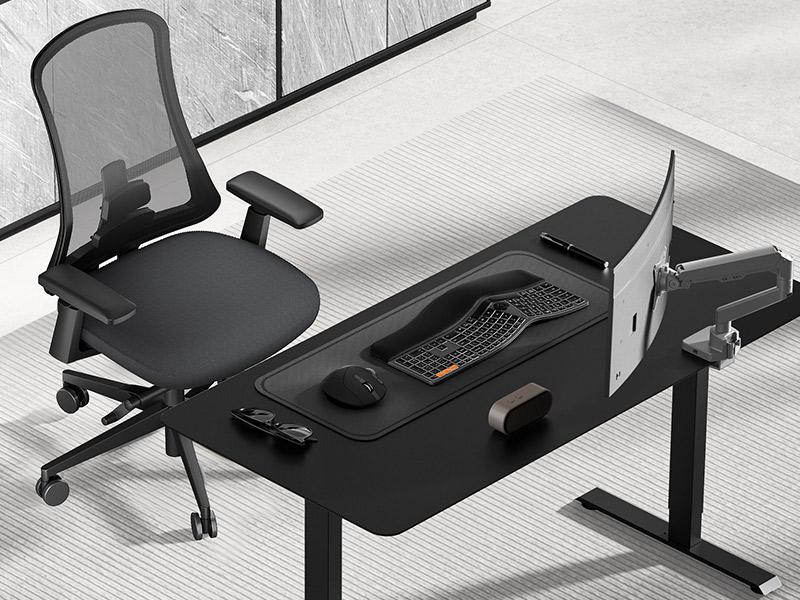
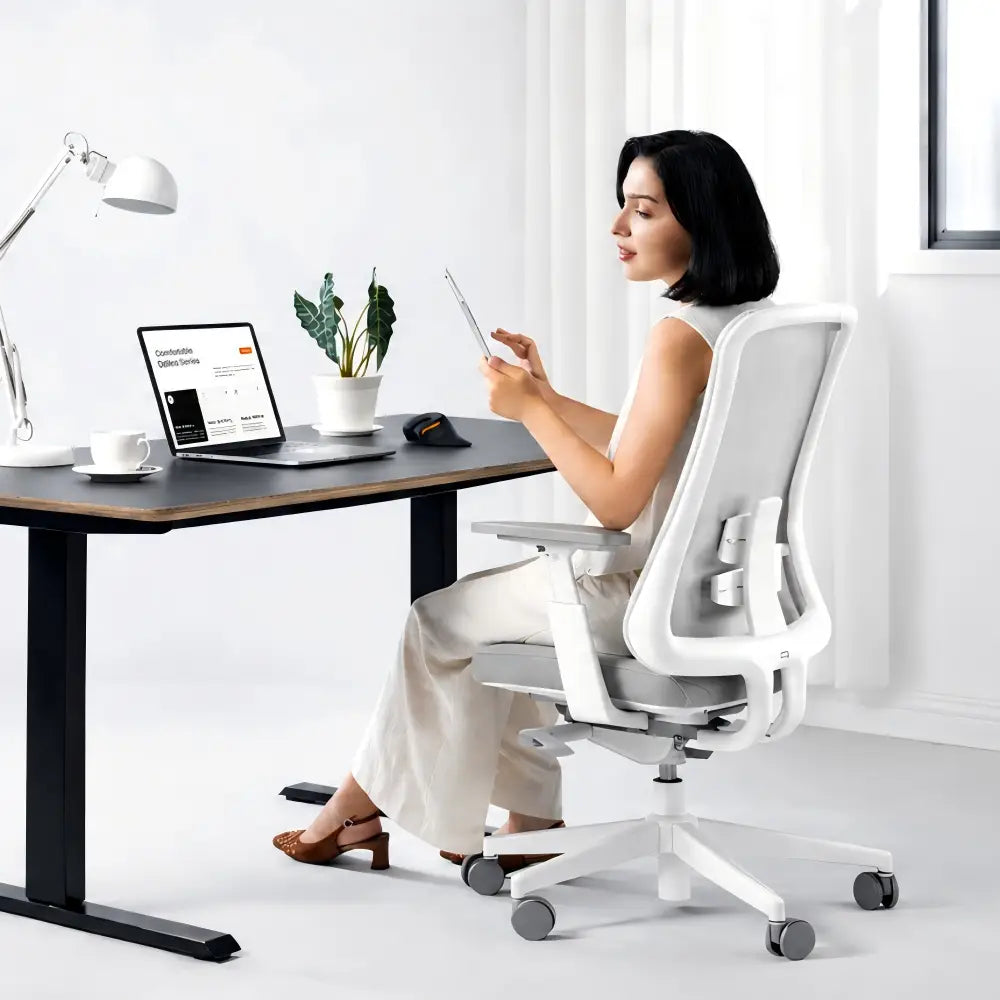
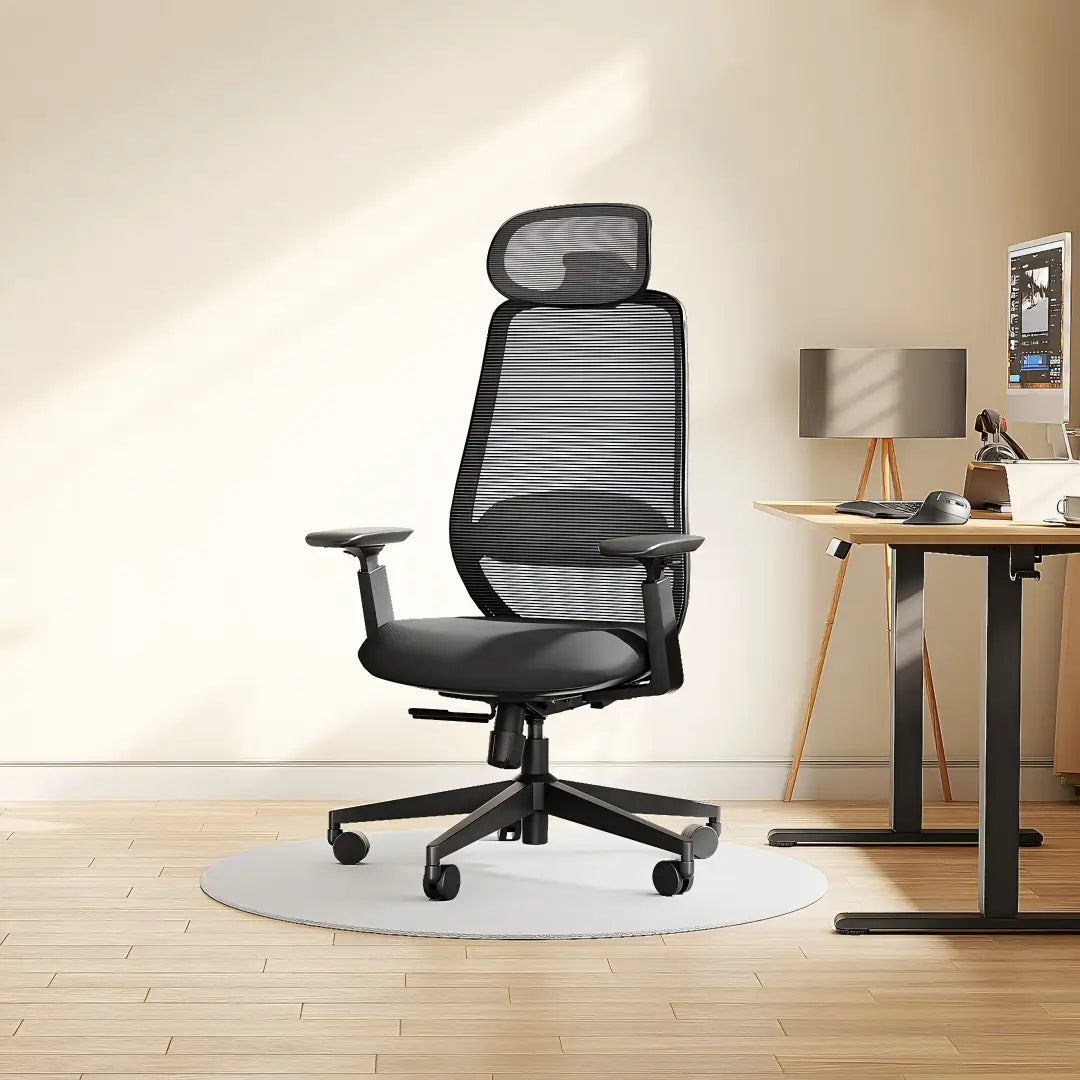
Ergonomic office chairs take a completely different approach. Every design element serves a specific physiological purpose:
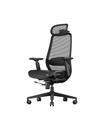
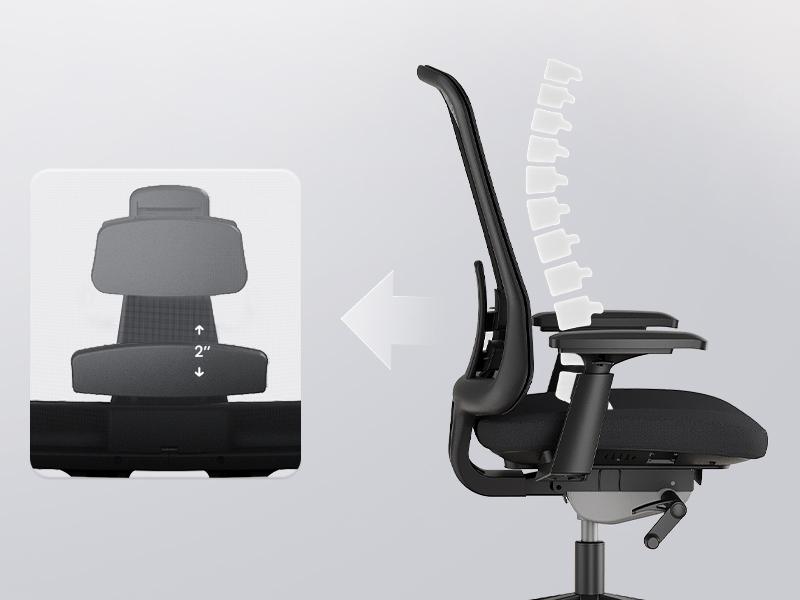
- S-shaped backrest mirrors your spine's natural curvature
- Mesh materials allow air circulation to prevent heat buildup
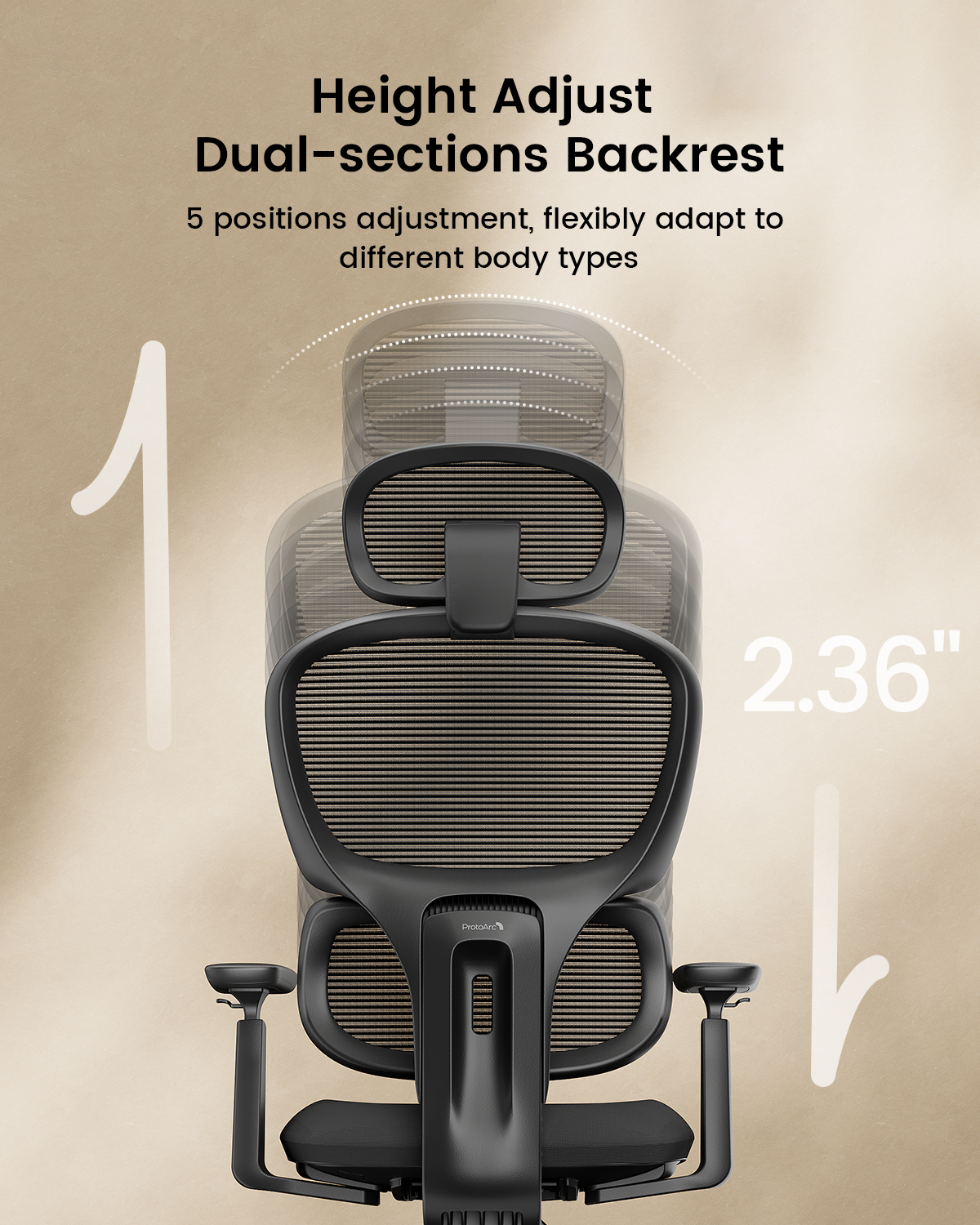
- Adjustable components accommodate different body types
- Lumbar support targets the lower back where office workers experience the most pain
These ergonomic computer chairs apply biomechanics research to reduce strain. The goal is maintaining healthy posture for extended periods without conscious effort. One chair type prioritizes emotional feel during short sessions. The other prioritizes physical function during long workdays.
Feature Comparison Between Ergonomic Computer Chairs and Gaming Chairs
The real differences between these chairs become clear when you examine their core features side by side. The following comparison shows how each type addresses the specific needs of someone working from home.
| Feature | Ergonomic Computer Chairs | Gaming Chairs |
| Lumbar Support | Adaptive or adjustable built-in support; conforms to lower spine; adjustable height, depth, and firmness | Removable pillows attached via straps; general padding; often shifts position during use |
| Breathability | breathable mesh backrest; constant air circulation; prevents heat buildup | Synthetic leather or fabric upholstery; traps heat against body; becomes uncomfortable after hours |
| armrest adjustment | Multi-dimensional (height, width, depth, angle) | Basic height adjustment; sometimes 2D or 3D |
| Seat Adjustment | Height and depth adjustment; precise positioning | Height adjustment only; fixed seat depth |
| Backrest Control | Angle and tension control; ergonomic recline range | Extreme recline angles up to 180 degrees; designed for relaxation |
| Headrest | adjustable height and angle (on higher-end models) | Removable neck pillow via straps |
| Seat Cushion | Advanced pressure distribution with breathable mesh surface, high-resilience foam, and spring technology; maintains shape for years | Thick foam padding; compresses over time; bucket seat design restricts movement |
| Primary Design Goal | long-term spinal health and productivity | Visual aesthetics and gaming immersion |
This comparison reveals a clear pattern. Ergonomic office chairs offer precision adjustments for active work, while gaming chairs prioritize dramatic styling and relaxation features.
Who Should Choose an Ergonomic Chair or Gaming Chair
Different chairs serve different needs. Some manufacturers market ergonomic gaming chairs as a compromise, but true performance differences remain between dedicated gaming chairs and ergonomic office chairs.
Gaming Chairs Work Best For
Gaming chairs excel in their intended environment. They work well for people who spend a few hours gaming in the evenings, providing immersive aesthetic and comfortable padding for those sessions. Casual users who value visual style over long-term health features will appreciate gaming chairs. If your chair time involves variety with breaks for movement, the basic support level suffices.
Ergonomic Office Chairs Are Essential For
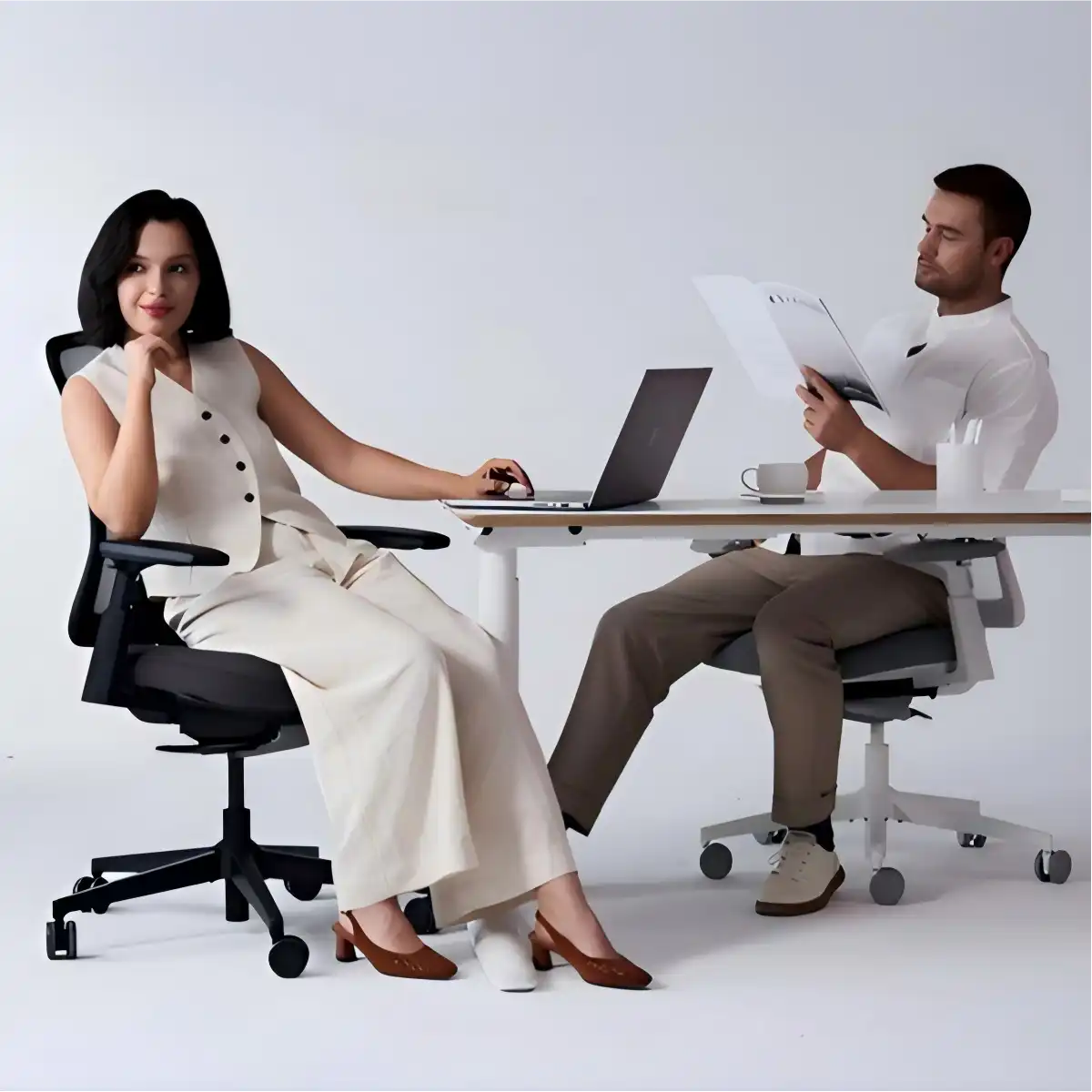
Anyone working eight or more hours daily from home needs an ergonomic office chair. The health-focused design becomes critically important during extended use.
Choose an ergonomic home office chair if you are:
- A programmer, writer, designer, or analyst sitting for entire workdays
- Someone with existing back problems
- A remote worker building a permanent home office
- Anyone prioritizing long-term health over visual aesthetics
The investment in an ergonomic computer chair pays dividends in sustained comfort, maintained productivity, and reduced healthcare costs. If your chair serves as your primary workstation for focused tasks, an ergonomic office chair provides the foundation your body needs.
How to Decide Between Gaming Chairs and Ergonomic Office Chairs for Home Office
Making the right choice requires honest assessment of your actual needs. Consider these key factors before purchasing.
Calculate Your Daily Sitting Hours
Count the hours you spend sitting for work versus entertainment. If work dominates your sitting time, prioritize the ergonomic office chair. Your spine experiences cumulative stress during long sessions. Proper support becomes increasingly important as hours accumulate.
Gaming for two hours requires different support than working for eight. Match the chair's design purpose to your dominant activity. Your body will signal the difference within weeks of daily use.
Identify Your Primary Need
Ask yourself what matters most in your chair. Health and long-term comfort indicate you need an ergonomic home office chair. Visual style and gaming atmosphere point toward a gaming chair.
Your primary activity should drive this decision. An ergonomic computer chair supports professional productivity, while a gaming chair enhances entertainment experiences. Choose based on where you spend the majority of your seated time and what your body requires for that activity.
FAQs
Q1. Can I Use a Gaming Chair for Professional Work if I Already Own One?
A gaming chair can be used for working, but it is not as good as an ergonomic office chair. It may not have good lower back support and ventilation, which can be a problem if you are going to be sitting all day. It is better to have a separate lumbar cushion and get up and move around often. It is always better to get an ergonomic computer chair if possible.
Q2. Do Ergonomic Office Chairs Work Well for Gaming Sessions?
Home office ergonomic chairs are perfect for gamers, too. They provide the body with support ideal for whatever it’s doing at the time. These chairs lack racing designs, yet keep the body refreshed despite marathon gaming activities. Streamers today choose office ergonomic chairs because these keep gamers free from the back pain associated with some gaming chairs.
Q3. How Long Do Gaming Chairs Typically Last Compared to Ergonomic Chairs?
The lifespan of gaming chairs can last from 2 to 4 years before the cushions go flat and the material deteriorates. The lifespan of quality ergonomic office chairs can last from 5 to 10 years or more. The main variation is according to their make and quality of material, whether it is aesthetics or longevity. Buying an ergonomic computer chair would be a worthwhile investment.
Q4. Are There Hybrid Chairs That Combine Gaming Style with Ergonomic Features?
Some manufacturers offer ergonomic gaming chairs that blend both styles, adding improved lumbar support and breathable materials to a gaming look. However, they rarely match the comprehensive ergonomic design of true office chairs. True ergonomic construction involves priorities that most gaming-style chairs still lack.
Invest in Your Workspace Health
Your home office chair is more than furniture—it’s equipment that either supports your health or strains it daily. Gaming chairs offer atmosphere, but ergonomic office chairs preserve your spine. Choosing an ergonomic home office chair lays the foundation for productivity, health, and well-being for any remote professional.