










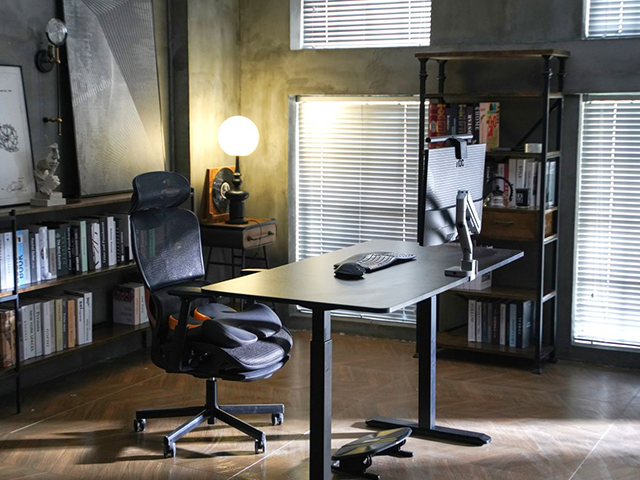
5 Tips for Creating a Healthy Workspace
s writer Annie Dillard expressed, "How we spend our days is, of course, how we spend our lives." Reflecting on the passage of time, it becomes evident that a significant portion of our lives is devoted to work. The truth is, that the average person will spend around 90,000 hours at work over their lifetime.
Considering how much time we dedicate to our jobs, it's worrying that many work environments contribute to physical discomfort and pain. Tight cubicles, poor posture, repetitive tasks, and lack of movement often lead to backaches, neck pain, wrist injuries, and overall tension. These issues make it difficult to stay focused and productive.
Therefore, Creating a healthy workspace is crucial for maintaining comfort and well-being while working. Even small improvements to your environment can make a big difference.
How to Create a Healthy Workspace
1. Keep It Clean
Studies show desks can harbor 400 times more bacteria than toilet seats. Sweat stains and food on your mouse and keyboard can transfer germs easily. Regular cleaning and disinfecting of surfaces reduces bacteria spread. A survey found disinfecting keyboards reduced bacteria by 96%. Furthermore, a clean workspace promotes a positive mindset to start your day focused and calm.2. Ensure proper ergonomics
Ergonomic Keyboard: Typing for hours can cramp your wrists. A split ergonomic keyboard with a wrist rest allows more natural hand positions.

Ergonomic Mouse: Twisting your wrist all day can lead to strain and discomfort. an ergonomic mouse lets you grip it naturally, resembling a handshake, reducing strain on your wrist. If you have limited desk space, a trackball mouse is ideal as it allows you to control the cursor with your thumb, minimizing wrist movements.

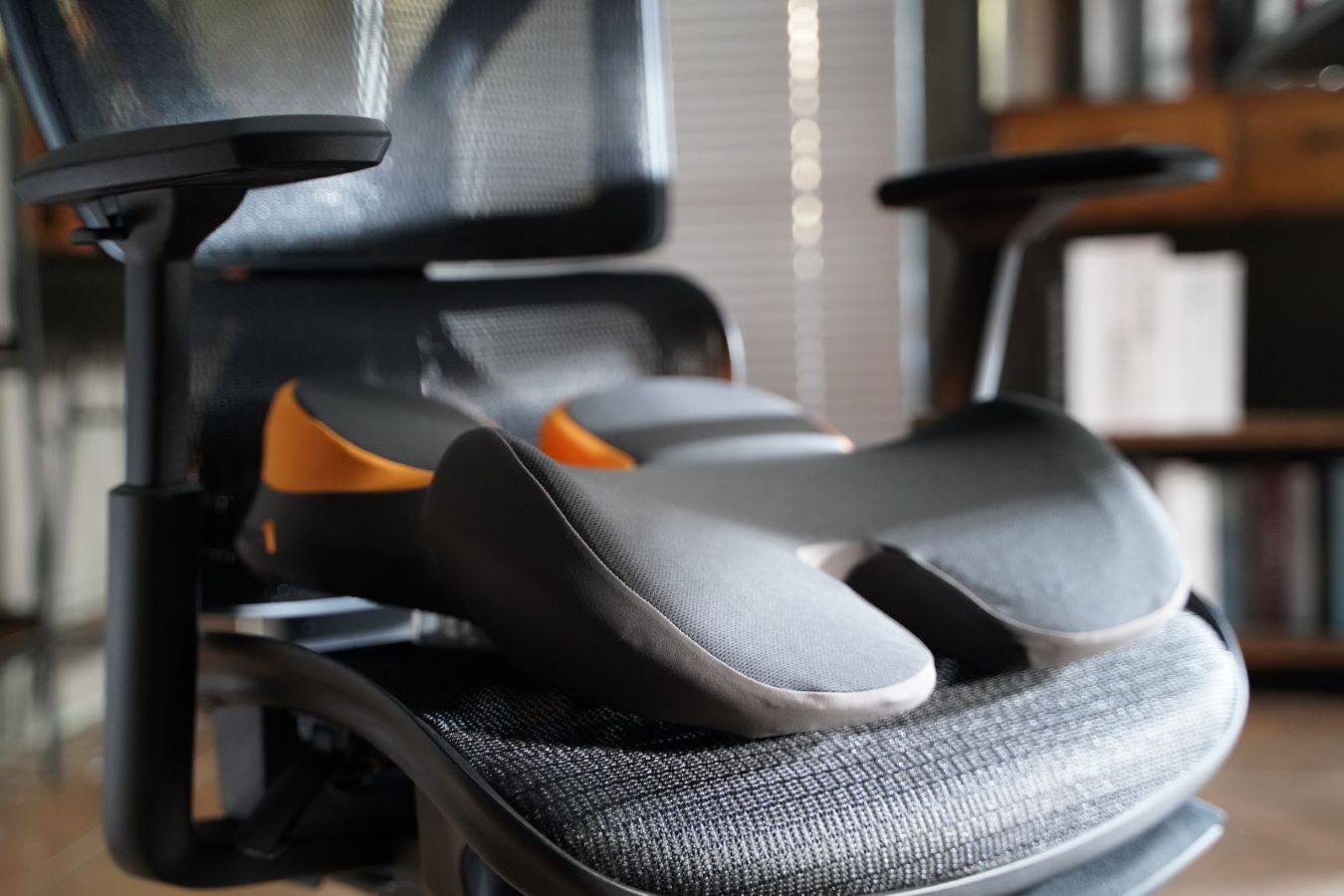
Ergonomic Seat Cushion: It conforms to your body, evenly distributes your weight, and alleviates pressure points. By tilting your pelvis forward, this cushion promotes proper posture and encourages you to maintain an upright position. As a result, strain on your back and neck is reduced, while spinal alignment is improved.
3. Create a Soothing Atmosphere
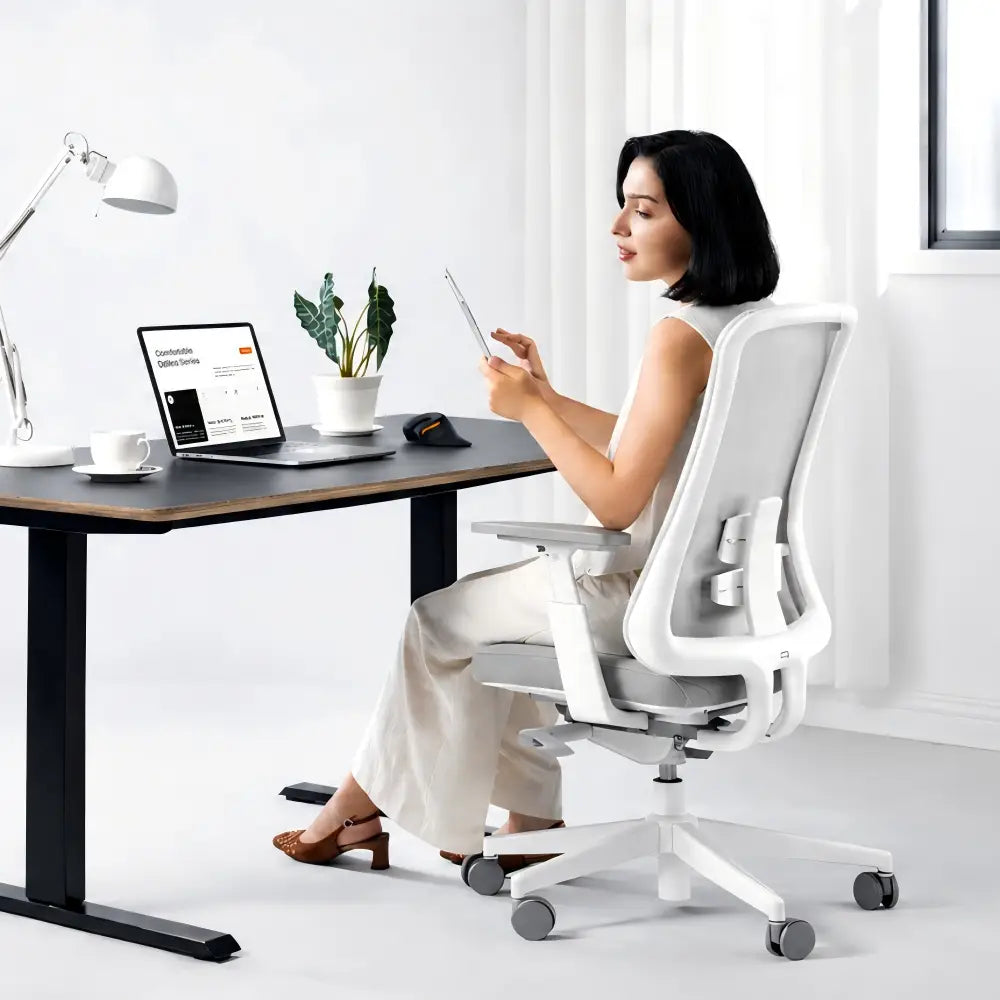
A comfortable atmosphere with proper lighting and decor boosts mood. Natural lighting reduces eyestrain while lamps provide soft illumination. Houseplants purify indoor air while artwork and personal photos create a welcoming environment. Pleasant scents from candles or diffusers also help relieve stress.
4. Take Regular Movement Breaks
Avoid sitting too long by incorporating standing desks or taking movement breaks. Prolonged sitting increases risks for obesity, diabetes, and heart disease. Standing or walking for just 5-10 minutes hourly offsets those effects. Simple exercises like shoulder rolls and leg swings stimulate blood flow as well.
5. Work-life balance
Make time for breaks throughout the workday and set clear boundaries between your professional and personal life. Brief mental resets like a short meditation, listening to music, or stepping outside for some fresh air can help you recharge. Avoid letting work encroach too much on your personal time to maintain balance and thrive in all areas.
Conclusion
clean, ergonomic, and soothing workspace alleviates physical strain, while movement and mental breaks help maintain focus. By implementing these simple tips, you can boost health, productivity, and job satisfaction. The benefits certainly outweigh the small efforts required. Ultimately, optimizing your workspace is an investment in your overall well-being, as work constitutes such a substantial part of life.